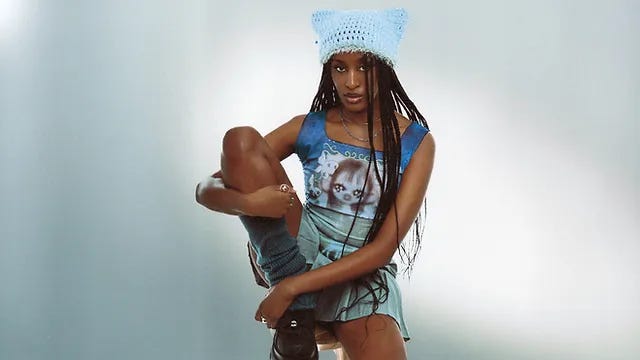
Why stalking shouldn't be normalised for artists

As para-social relationships become more common, thanks to how easy it is to create an online persona, there doesn't seem to be any clear etiquette for how the audience should behave. Chappell Roan released a post 48 hours ago setting a boundary with her fans stating “I’m allowed to say no to creepy behaviour”.
The magic of being an artist, that magnetic quality which draws others to our art, is often mistaken for a personal connection with the artist, rather than with the art itself. Boundaries can easily be broken when fans overstep because their reasoning is “they just love_____ so much”. Love can look like a lot of things, but one thing for certain is that it’s not stalking. It is abuse period. Artists are seen as rude or stuck up for not being on the clock, when in public spaces and expected to share their time regardless of if they feel like it. Why is this? Individuals can forget that being an artist is a job, something Chappell has stated previously in a podcast with Tom Power for Q.
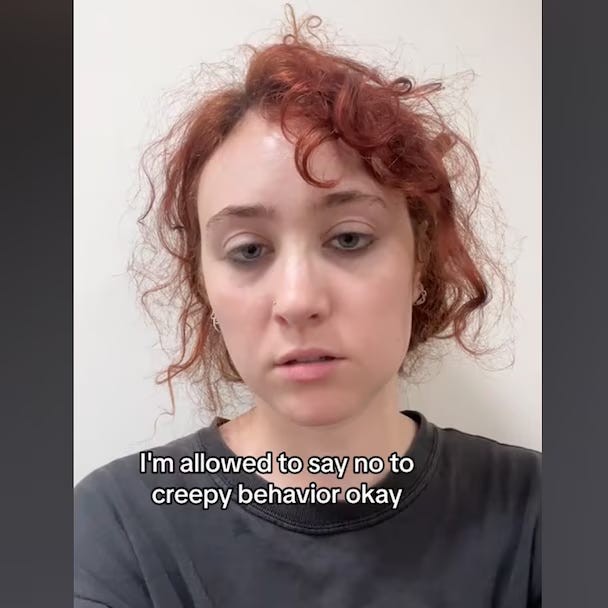
Being an artist is a beautiful journey that offers incredible freedoms and opportunities, but it is not without gruelling demands, often working around the clock, especially when touring. On the road downtime can be scarce, particularly for someone with a stage character like Chappell Roan, whose visibility rose incredibly quickly. Being able to switch back to her real identity, Kayleigh Rose, is essential for staying grounded. It’s a practice we've seen with artists such as Ziggy Stardust, Blood Orange, Lady Gaga, The Weekend and Prince who all have stage personas. Unfortunately, it seems that though this concept is widely understood, the general public still have difficulty in humanising the artists they idolise.
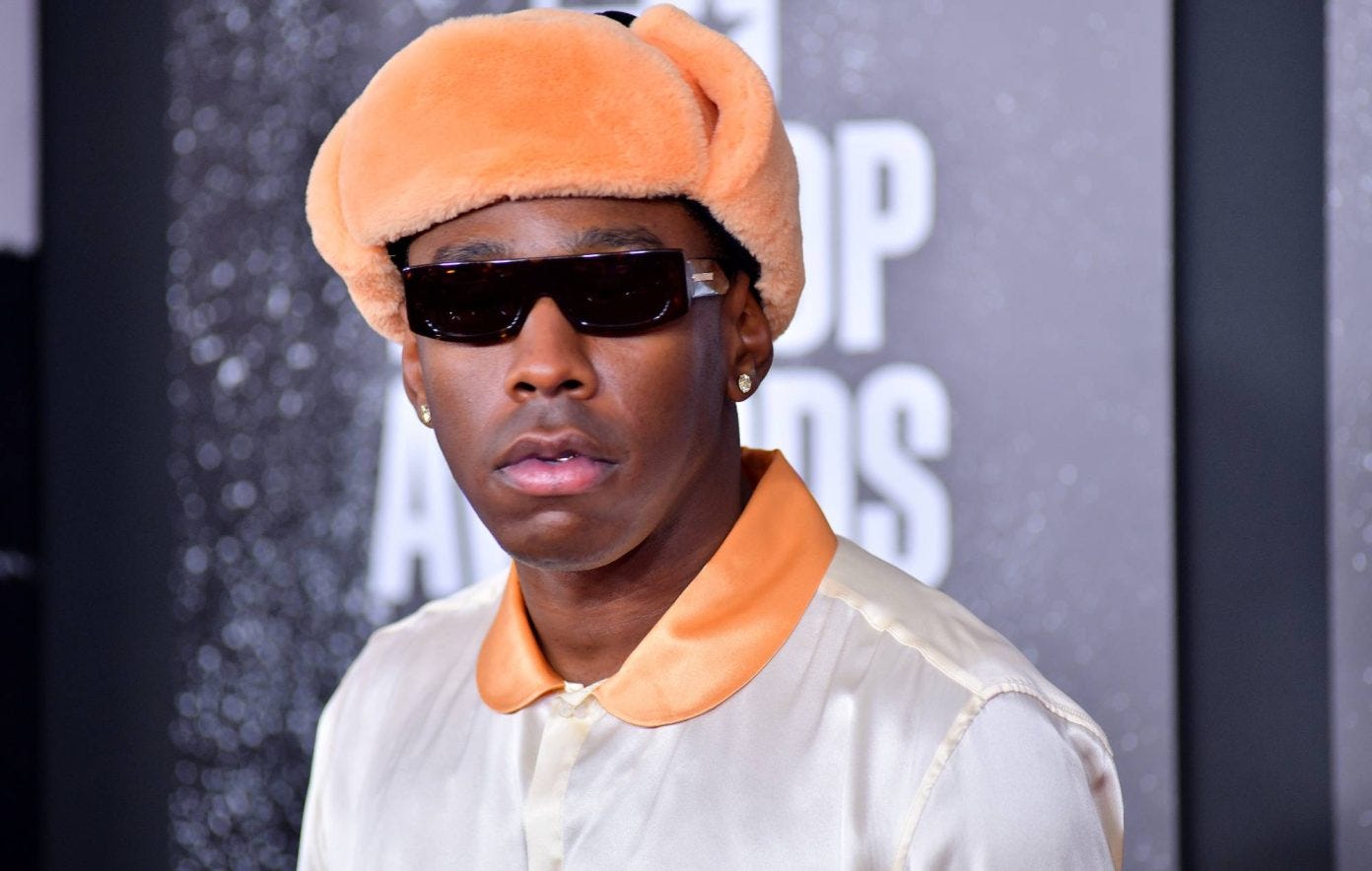
Last week Tyler the Creator was in an interview on Marvericks which eerily paralleled this para-social conversation. He stated “So because you like a song or because you like a movie, that gives you permission to be a f*****g weirdo, “but we’re fans..” no. Calm your ass down”.
If we don’t call out creepy behaviour, it’ll keep leading to situations where artists face increasingly dangerous circumstances. Harassment shouldn’t be part of any job, no matter how highly regarded it is.
This conversation also reminded me of the girl who took to Instagram to post “SZA wack” in her stories. Sza saw the post, which started a back and forth in the dms with the entitled fan. The fan then quickly posted her dm experience on Tiktok, looking for support only to be humbled, quickly deleting all evidence. Sza has spoken frequently about her anxiety as an artist and spoke to Zane Lowe about being perceived as an artist: “I hate being famous, it sucks” and how being in the public eye is “the bane of her existence, like I cry.”
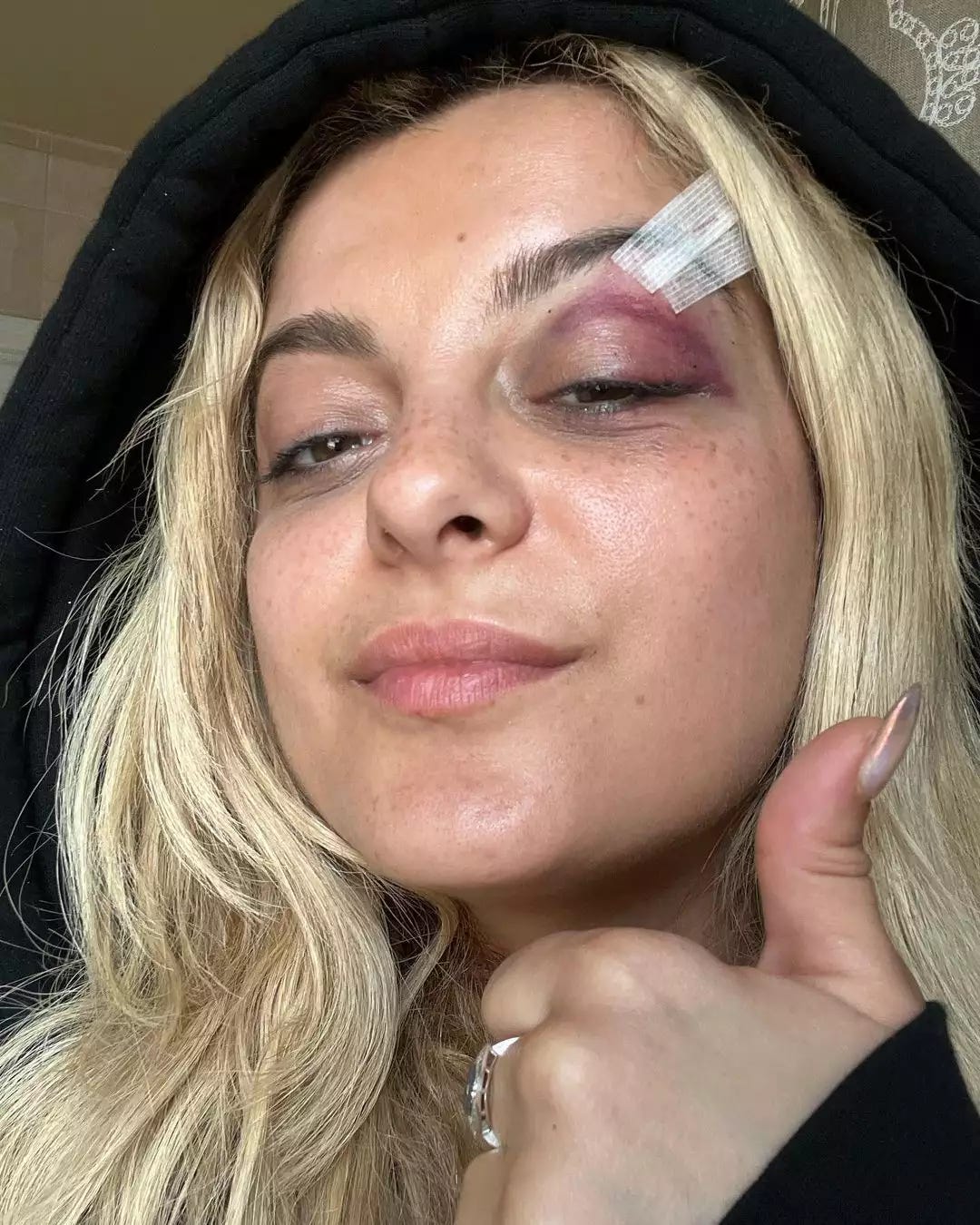
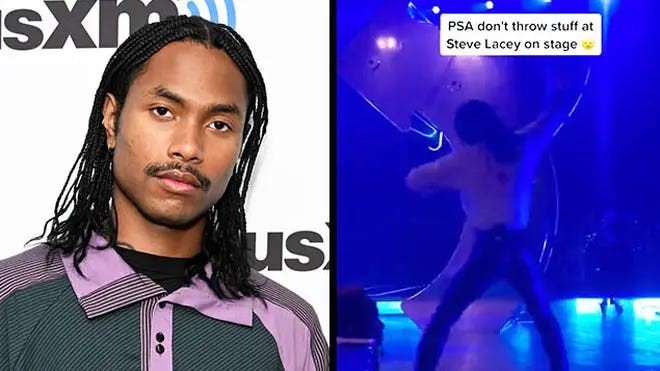
Steve Lacy, Cardi B and Bebe Rexha have famously had altercations with fans who have overstepped the boundaries at their shows in an abusive way. Bebe Rexha was left with injuries stating to the fan “If you hit me with something on the stage, I will take you for everything you’ve f***ing got.” The man who threw the phone was charged with two counts of assault, one charge of aggravated harassment, one charge of attempted assault and one charge of harassment.
Steve Lacy famously smashed a fan’s disposable camera after being struck on stage in the middle of a performance.
Doja Cat an artist who some believe has a tempestuous relationship with her fans stated “My theory is that if someone has never met me in real life, then, subconsciously, I’m not real to them, so when people become engaged with someone they don’t even know on the internet, they kind of take ownership over that person. They think that person belongs to them in some sense. And when that person changes drastically, there is a shock response that is almost uncontrollable… I’ve accepted that that’s what happens."
It’s all getting a bit crazy out here, why have we accepted that crazed fan behaviour is normal. It’s not.
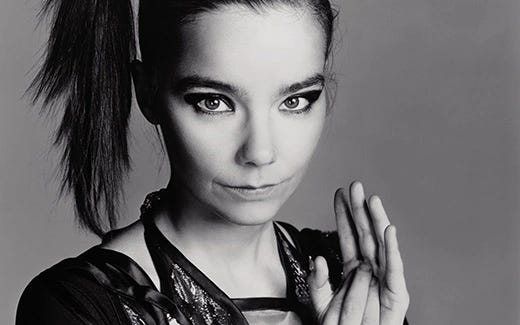
A case that stuck in my mind is Ricardo López’, often referred to as the "Björk stalker," a tragic example of how severe psychological issues can manifest into extremely dangerous behaviours. Lopez became infamously obsessed with the Icelandic singer culminating in him sending a letter bomb to Björk’s London home intending to kill her. Fortunately, the bomb was intercepted before it could cause any harm. After sending the bomb, López recorded a final video diary entry and then took his own life.
Now, I’m clearly not a psychologist, duh. but since reading “the courage to be disliked” which is based on Adlerian Psychology, thanks to my mutual’s advice (Demi Yoko check out their music), I was met with a parallel that might explain this complex fanatical behaviour. If any psychologists are reading this please feel free to correct me, I will not take offence. I ponder on this topic in an attempt to make sense of the digital age.
López seemed to exhibit what I can only speculate as a strong inferiority complex, which Adlerian psychology suggests stems from deep seated feelings of inadequacy. López's diary video recordings exposed that he felt socially isolated, unattractive, and unsuccessful in his life. He voiced intense feelings of worthlessness and shame, often comparing himself negatively to others. But what is important to note here is that in other videos, López expressed grandiose ideas, seeing himself as someone who could "make a mark" on Björk’s life. This ultimately drove him to create and send the bomb that he thought would take her life. Lopez reflected a distorted belief that he could assert power and control over Björk’s fate, an extreme form of superiority where he viewed his actions as justified.
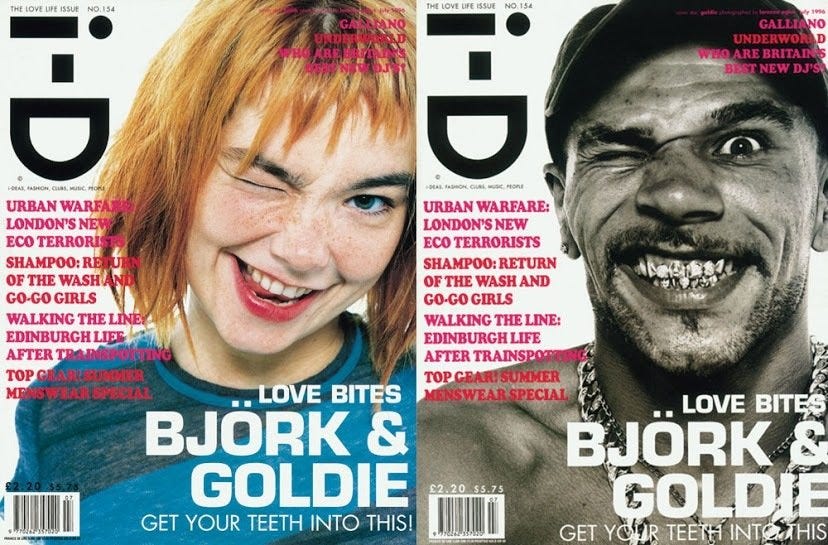
Ultimately manifested in Lopez’s racist belief that he had the right to judge and punish Björk, especially after learning about her relationship with a black artist (Goldie, another famous musician). It’s unsettling to think that this was the catalyst that caused him to premeditated murder. In López’s mind, this relationship was a betrayal of the ideal version of Björk that he had created, and he felt compelled to correct this perceived wrong.
Something I want us to pay attention to is that López not only exhibited an inferiority complex but also a superiority complex too. A common defence mechanism for extreme insecurity by projecting dominance over another. An obvious example of this could be online trolls who may follow a creator/artist and at the same time send them hurtful comments nonstop. In their minds they are “better” than the creator/artist or have delusions of grandeur. It’s a slippery slope when what starts out as fascination quickly turns to hate. Trolls garner a faux form of fame, any attention being better than zero. Jealousy is nearly always suppressed insecurity.
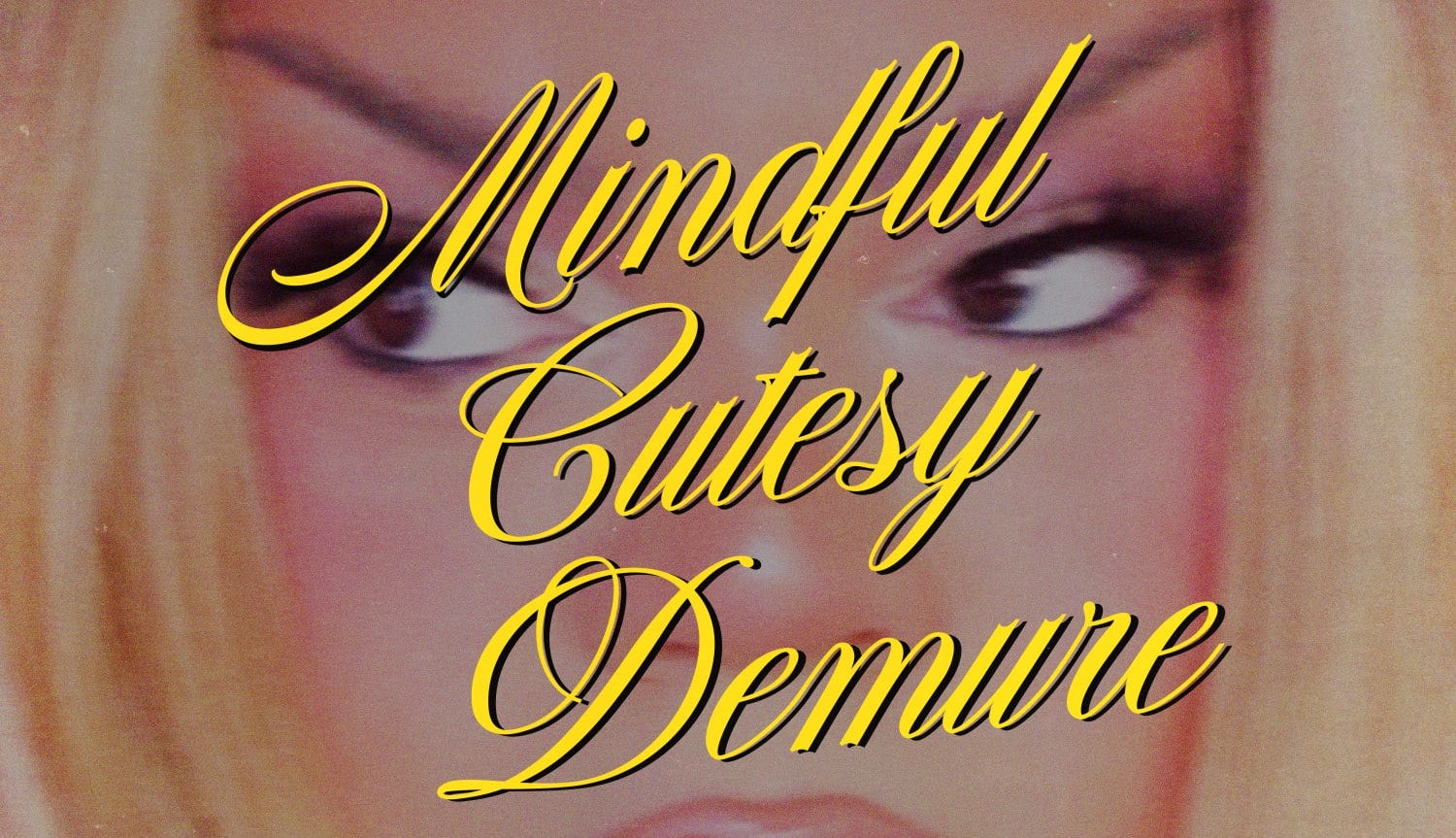
Conclusion: So what do we do when we see someone we recognise someone online? We don’t do too much, we’re very demure, very mindful when approaching strangers on the internet of any kind, famous or not. Artists and creators are human beings, and although it might be such an iconic moment even once in a lifetime opportunity to get your photo, question yourself that this simply might not be the right time. Read the room, if you get rebuffed don’t take it personally, not getting a photo doesn’t take away from your experience. I can’t believe I even have to say this but
Do not ever EVER throw anything at anyone.
Years ago in L.A on my birthday I saw an A list artist who I deeply admired at a bar. This artist’s work had influenced my own work, I found them incredibly inspiring and felt the urge to ask If I could get a photo with them. Something told me STOP. I looked around the room and saw how others were animatedly thinking the same thing that I was. I took a beat. Even on my birthday it didn’t feel appropriate to encroach on anothers down time.
So I didn’t, was it still a magical moment? For sure you’re right on.
Keep it cutesy.
Love Liv x
Catch me on Tiktok for weekly inspiration
Need help with your creativity?
This weeks artist of the week is Mysie
Some artists just have that thing. The voice, beauty, energy, style and production. Her music captures the energy of London and the era we are in so effortlessly. Add her tracks to your playlist if you are a Spotify vibe curator.
“Raised in South East London but with roots that stretch back generations to Uganda, Mysie can retroactively plot the path to where she is now: making intimate indie soul that takes her listeners along with her on the journey through raw and sensitive emotional spaces”
She has a new single Little Too Late, out now, which I play on repeat non stop. Support artists the way you would like to be supported as an artist.